
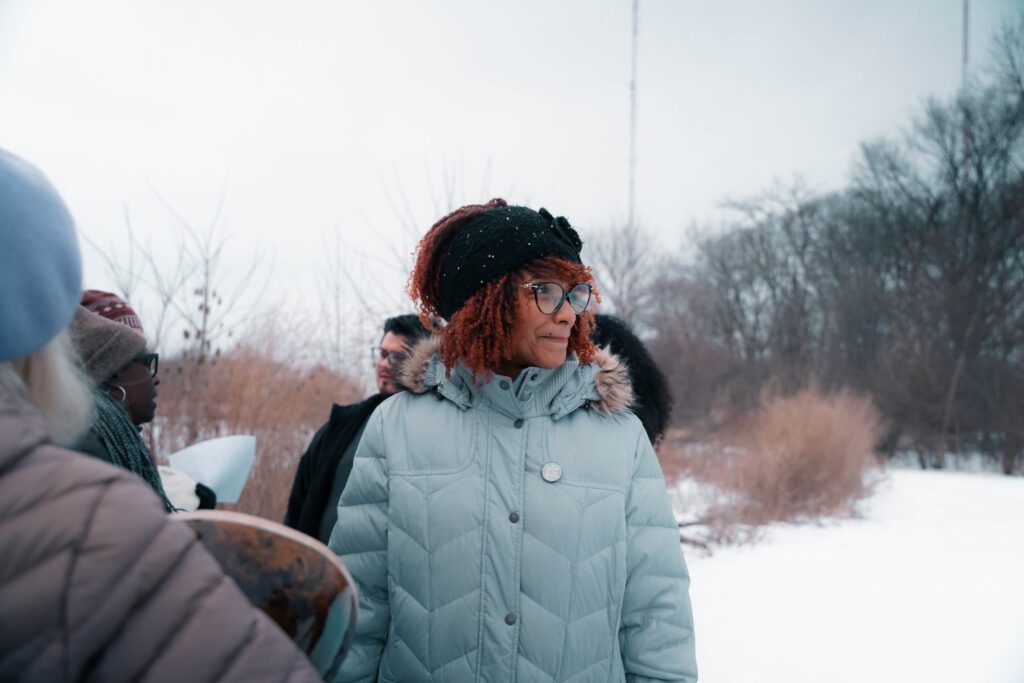
I’m a Milwaukee native. I walk along our rivers. I have always known that water carries more than sustenance. As a Black woman living and working in Milwaukee, I feel water as memory, movement, resistance, and renewal along with loss, danger, and unfinished struggle. It carries history. It carries warning. It carries hope.
How water shaped Black history
During Black History Month, I reflect on water not as a neutral resource, but as a powerful force that has shaped Black survival and continues to shape justice, health, and opportunity today. When standing near the water, I think about how, historically, rivers were both refuge and threat: enslaved Black people used waterways as pathways to freedom following rivers northward. People trusted water to carry them toward possibility when land routes were heavily surveilled. Rivers concealed their tracks and provided protection.
Rivers like the Mississippi and Ohio became lifelines. But these pathways were carved through courage. Rivers were far from being romantic or symbolic. They were strategic and terrifying. People followed them at night, trusting the current to guide them away from those determined to capture them. Water offered cover, direction, and possibility. It also carried the risk of drowning, violence, and death that reminds us freedom was never freely given. It was pursued.
This history still lives here with me in Milwaukee. I see it in how water continues to reflect inequity across my city. Black neighborhoods flood more often, aging infrastructure fails us first, homes with lead pipes are slow to be replaced, and as climate change intensifies, environmental harm lands hardest where investment has been withheld the longest. This isn’t accidental. It’s inherited from decisions that have long treated Black communities as disposable.
Togetherness is power, joy is resistance
For me, water justice means naming the truth and refusing to look away. Injustice shows up in our basements, in our streets, and in our bodies. It shows up when we’re told to be patient, to wait for repairs, to accept conditions we didn’t create. It is also personal because it affects how safe I feel, how healthy my family can be, and whether my community is allowed to thrive.
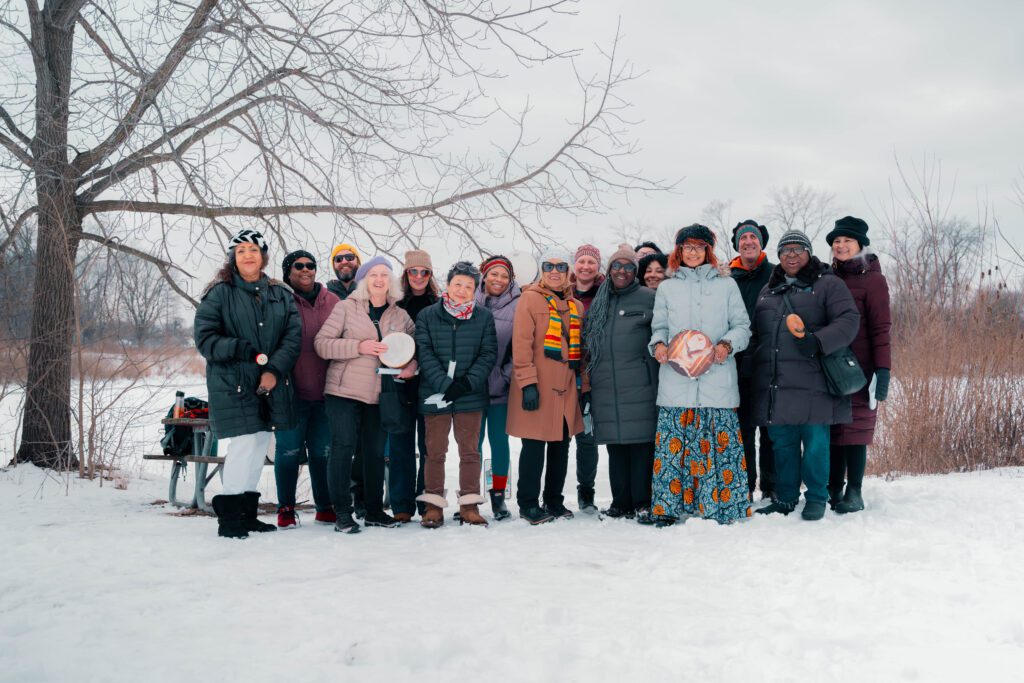
Last year, I hosted the inaugural Milwaukee Water Commons’ “Down by the River” gatherings—a new space along the river for reflection, joy, and collective presence. We honored the river, as both witness and participant in Black history, through singing, storytelling, and coming together.
Singing by the river felt like reclaiming something that had always belonged to us. Those moments reminded me that healing doesn’t happen in isolation. It happens when we gather, when we breathe together, when we let the water hear our voices. That kind of togetherness is power.
Our gatherings held complexity. We recognized our struggles while also nurturing our belongings. Being “Down by the River” together affirmed that water can be a site of memory and mourning, while also offering connection, breath, and community strength. It wasn’t about pretending the pain wasn’t there, but it was about honoring it without being swallowed by it. That kind of joy is resistance.
Waterway to the future
I see hope in the work happening across Milwaukee to restore balance between people, land, and water. More nature-based solutions such as tree plantings and rain gardens are advancing neighborhood stewardship daily. For communities that have been historically left behind, these investments are more than cosmetic, they are lifesaving.
Water has always kept us moving when standing still meant harm. Freedom flowed through rivers that carried our ancestors forward, even when the destination was uncertain. Today, water itself is freedom when it is clean, accessible, protected, and shared equitably.
This Black History Month, I stand at the water’s edge with truth, memory, grief, joy, and a belief that, if we listen closely, the water is still calling us forward. Scripture reminds me that water has always been sacred ground: “He leads me beside still waters; He restores my soul” (Psalm 23:2–3). I hold onto that promise, even knowing that for Black people, the waters have rarely been still but rather turbulent and dangerous. Yet somehow, our souls keep moving forward.
When water no longer threatens our homes, our health, or our dignity, it becomes what God intended it to be—a source of life, restoration, and possibility. Water as a pathway to freedom is a responsibility I carry every day: I remember those who followed the river toward liberation trusting God in every step and I work toward a Milwaukee where no one is left behind by the waters that sustain us all.
What’s next?
Felice Green is a member of our Color of Water directory, a community of water experts of color across the United States. If you need an expert to interview, a speaker for your event, or a source to inform an article, check out the directory here. Know someone who would be a good fit for our community? They can register here.